Dream Orphans: A Charming Display Font for Makers
The late afternoon light was filtering through the window of my craft studio, illuminating a stack of blank kraft paper labels and a half-finished batch of lavender-scented soy candles. I had the wax poured, the wicks centered, and the jars ready, but something felt incomplete. The product was perfect, yet the identity was missing. I needed a typeface that whispered "handmade" without shouting, something with enough character to stand out on a crowded shelf but enough restraint to feel timeless. That is when I opened my library of freebies and found Dream Orphans.
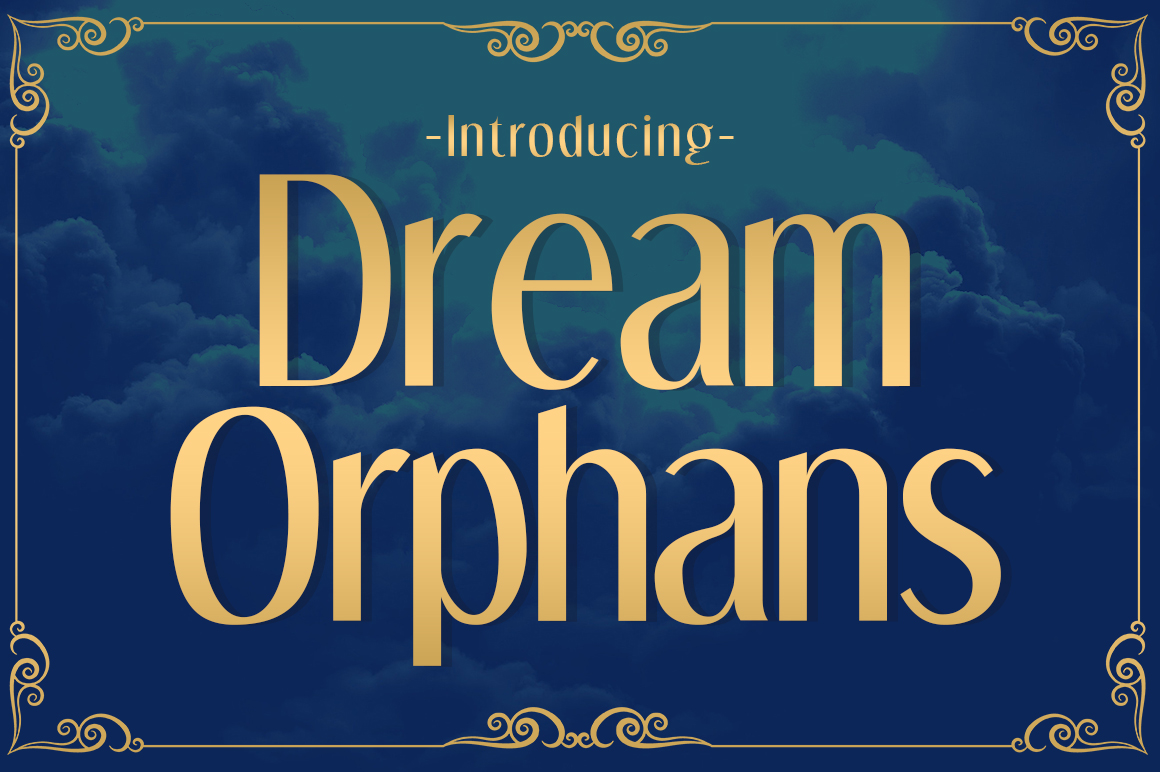
At first glance, Dream Orphans is a condensed, humanist sans serif display font, but as I began to type out the candle names, its personality truly emerged. The quaggy curves are charming in a way that feels almost tactile, like the rough texture of the paper or the smooth glass of the jar. It adds a classic and literary appeal to designs, instantly elevating a simple label into something that feels curated and thoughtful. For anyone running a handmade business, finding a font that bridges the gap between modern minimalism and vintage warmth is often the hardest part of the design process. This typeface solved that problem before I even finished my first mockup.
Bringing Literary Charm to Handmade Labels
When designing product labels, especially for items like candles, soaps, or boutique packaging, the typography does more than just convey information; it sets the mood. I typed "Lavender & Sage" using Dream Orphans, and the result was immediate. The condensed nature of the letters allowed me to fit the full name on a small circular sticker without crowding the design. Unlike many bold display fonts that can look heavy or aggressive at small sizes, this font maintains its elegance even when scaled down.
The humanist qualities of the strokes give it a friendly, approachable vibe. It doesn't feel cold or digital. Instead, it feels like it was drawn by hand, which aligns perfectly with the ethos of a maker selling physical goods. Whether you are printing these labels on your home printer or sending them to a professional label maker, the clarity of the shapes ensures they cut cleanly on machines like Cricut or Silhouette. There is nothing worse than a jagged edge on a sticker ruining an otherwise beautiful product, and the clean vector paths of this font make cutting a breeze.
Perfect for Short Phrases and Titles
While Dream Orphans shines as a display font, it is important to understand its limitations and strengths regarding text length. It is not designed for long paragraphs of body copy. If you try to use it for the ingredients list on the back of a candle jar, the unique curves might become difficult to read. Instead, reserve this font for headlines, product names, short taglines, and decorative wording.
- Product Names: Use it for the main title on your packaging to grab attention.
- Boutique Tags: Perfect for "Handmade with Love" or "Small Batch" tags attached to clothing or accessories.
- Greeting Cards: Ideal for the front cover message or a heartfelt "Happy Birthday" header.
- Wall Art: Works beautifully for single words or short quotes in printable art.
By keeping the usage focused on titles and short phrases, you allow the unique character of the letters to breathe. This approach creates a hierarchy in your design, guiding the customer's eye to the most important information first.
Pairing for a Cohesive Brand Identity
One of the joys of working with a distinctive display font is figuring out how to pair it with other typefaces to create a cohesive brand identity. Because Dream Orphans is a sans serif with a lot of personality, it pairs exceptionally well with simpler, more neutral fonts. When I designed the back of the candle label, I paired it with a clean, geometric sans serif for the instructions and safety warnings. The contrast was striking yet harmonious; the playful charm of the headline balanced perfectly with the functional readability of the body text.
For those creating wedding stationery or invitation suites, this font also works beautifully alongside a delicate script font or a traditional serif font. Imagine a wedding welcome board where the couple's names are written in a flowing handwritten font, but the date and location details are set in Dream Orphans. The combination feels editorial and high-end, suggesting a premium quality that customers are willing to pay for. In the world of printables and digital downloads, offering templates that feature these thoughtful pairings can significantly increase the perceived value of your products.
Scaling from Stickers to Signs
The versatility of this typeface extends beyond small labels. I recently tested it on a farmhouse-style wooden sign meant for a local shop's seasonal display. The condensed width of the letters allowed me to fit a longer phrase across a narrow plank of wood while maintaining legibility from a distance. The quaggy curves added a touch of whimsy that softened the rustic aesthetic of the reclaimed wood.
Whether you are designing tote bags, mugs, or t-shirts, the visual weight of Dream Orphans holds up well on various materials. On a white ceramic mug, the black ink pops against the glossy surface, making the text easy to read while adding a stylish flair. On fabric, such as a canvas tote bag, the font reads clearly even when the material wrinkles slightly. This adaptability makes it a valuable asset in any creative toolkit, allowing makers to expand their product lines without needing to learn entirely new design techniques.
Ensuring Readability and Commercial Success
As creators, we want our work to look good, but we also need it to function. Readability is key, especially when selling products online where images are often viewed on small screens. When creating listing images for Etsy or your own website, ensure that the text using Dream Orphans is large enough to be legible in thumbnail view. High-contrast color combinations, such as dark text on a light background, will further enhance visibility.
Before launching a new product line, always check the specific file formats included in the download. Most freebies come in standard OpenType (OTF) or TrueType (TTF) formats, which are compatible with all major design software. However, if you plan to sell digital templates or SVG files for cutting machines, verify that the font supports the necessary features. Some versions may include alternates, ligatures, or swashes that can add extra flair to your designs. Exploring these options can help you create unique variations that set your brand apart.
Finally, always review the licensing agreement. Even though this is listed under freebies, commercial use policies can vary. Ensure that the license allows you to use the font on physical products for sale, such as printed merchandise, packaging, and branded items. Understanding the terms protects your business and gives you peace of mind as you scale your operations. By choosing a font like Dream Orphans that offers both aesthetic appeal and practical utility, you are investing in the long-term success of your brand.
There is a distinct satisfaction in seeing a design come to life. From the moment I applied the first label to the final box shipped to a customer, Dream Orphans played a silent but vital role. It didn't just tell people what the product was; it told them who made it and why it mattered. For makers looking to infuse their work with a sense of story and soul, this font is a wonderful companion on the creative journey.